
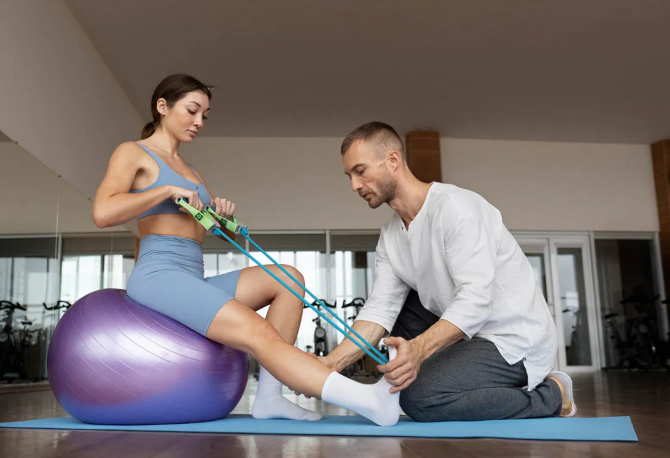
Returning to sports after an injury can be challenging for athletes of all experience levels. Whether you enjoy running, playing recreational basketball, lifting weights, or participating in weekend sports, an injury may interrupt your routine and affect your confidence. Getting back to activity requires more than simply waiting for pain to improve. It also involves understanding your limitations and preparing your body for the demands of your sport.
People searching for sports physical therapy near me may be looking for professional guidance with movement, strength, flexibility, and the gradual return to athletic activities. The right rehabilitation approach depends on the injury, individual abilities, and the physical requirements of the sport.
Summit Physical Therapy is an option to explore when considering physical therapy for movement-related concerns. Understanding the steps involved in sports rehabilitation can help athletes make informed decisions about their recovery.
Understanding Sports Injuries and Their Impact
Sports injuries can occur during practice, competition, exercise, or everyday training. Some develop suddenly after a fall, awkward landing, or rapid change of direction. Others develop gradually when repeated activity places more demand on the body than it can comfortably manage.
Common concerns include muscle strains, joint sprains, tendon irritation, and movement limitations following an injury. Depending on the condition, an athlete may experience pain, swelling, stiffness, weakness, or difficulty performing familiar movements.
Even when symptoms begin to improve, certain athletic tasks may remain difficult. A person might walk comfortably but still struggle with running, jumping, sprinting, or changing direction. These activities place different demands on the body and should not automatically be treated as equivalent.
The type and severity of an injury matter when deciding what to do next. Some injuries can be managed with appropriate rehabilitation, while others require medical assessment, imaging, or specialist care.
Avoid assuming that every sports injury needs the same exercises or recovery schedule. A qualified healthcare professional can help determine the appropriate next step based on the injury and the athlete's current condition.
How Sports Physical Therapy Can Support Recovery
Sports rehabilitation focuses on the physical demands an athlete needs to manage while recovering from an injury. Depending on the assessment, physical therapy may address strength, mobility, balance, coordination, and the ability to perform specific movements.
An initial evaluation may include discussing how the injury occurred, identifying activities that trigger symptoms, and reviewing previous injuries or relevant medical history. A professional may also assess appropriate movement patterns and functional abilities.
The resulting plan should reflect the athlete's current condition rather than rely on a generic workout routine. Someone recovering from an ankle injury may have different needs from someone experiencing shoulder discomfort after repeated overhead activity.
Treatment may include guided exercises, controlled movement practice, strength development, and gradual progression toward more demanding tasks when appropriate. The exact approach depends on the injury and any medical restrictions.
When researching sports physical therapy near me, athletes can ask how the proposed plan connects to the activities they want to resume. Understanding the purpose of rehabilitation exercises can make it easier to follow instructions and recognize when a reassessment may be necessary.
Rebuilding Strength, Stability, and Movement Control
Sports often require the body to produce force, absorb impact, and respond quickly to changes in direction. After an injury, an athlete may need to rebuild certain physical abilities before safely returning to these demands.
Strength is one part of the process, but it is not the only consideration. Movement control, balance, coordination, and tolerance for repeated activity may also matter, depending on the sport and injury.
For example, a runner may need to work toward tolerating the repeated impact of running. A basketball player may need to regain appropriate control during jumping and landing. Someone who plays tennis may need to prepare for repeated changes in direction and arm movements.
These demands should be introduced only when appropriate for the athlete's condition. Starting with controlled activities may help establish a foundation before progressing to more challenging movements.
A rehabilitation plan may address several areas:
- Strength: Improving the muscle capacity needed for relevant athletic tasks.
- Mobility: Addressing restrictions that affect necessary movements.
- Balance and coordination: Practicing control during suitable activities.
- Functional movement: Gradually preparing for sport-specific demands when appropriate.
Not every athlete needs the same progression. Exercises should be selected and adjusted according to professional assessment, symptoms, and recovery goals.
Returning to Training Without Rushing the Process
One of the biggest challenges after a sports injury is knowing when to increase activity. Athletes may feel pressure to return for an upcoming game, competition, or training session. However, returning too quickly can expose the injured area to demands it may not yet tolerate.
The absence of pain during ordinary activities does not always mean that the body is ready for full sports participation. Sprinting, jumping, cutting, throwing, and lifting can place greater demands on muscles and joints than routine walking or household tasks.
A gradual return may involve progressing through appropriate stages. Depending on the injury, these could include controlled exercises, basic sport-related movements, more demanding drills, and eventually regular practice. Some conditions require specific medical clearance before particular activities can resume.
Progress should be based on the athlete's condition and professional guidance rather than an arbitrary deadline. If symptoms return or worsen as activity increases, the plan may need to be adjusted.
Athletes looking for sports physical therapy near me should ask how readiness for more demanding activity will be assessed. Clear guidance can help them understand the difference between feeling better and being prepared for the specific requirements of their sport.
Sport-Specific Preparation and Injury Prevention
Every sport places different demands on the body. A distance runner repeatedly absorbs impact, a swimmer performs repeated shoulder movements, and a field-sport athlete may need to accelerate, decelerate, and change direction quickly.
Because these demands differ, returning to sport should reflect the activities the athlete actually performs. Depending on the injury, preparation may involve practicing relevant movement patterns, building tolerance for training volume, or improving control during selected tasks.
Warm-ups, appropriate strength training, suitable technique, and gradual increases in training load may contribute to a thoughtful approach to physical activity. However, no single routine can eliminate the risk of injury.
Athletes should also consider whether their training demands have changed recently. A sudden increase in workout intensity, duration, frequency, or competitive activity may be difficult to tolerate, particularly when combined with inadequate recovery.
General strategies to discuss with a qualified professional include:
- Increasing training demands gradually when appropriate.
- Following any injury-specific restrictions.
- Paying attention to recurring pain or changes in movement.
- Allowing suitable recovery between demanding sessions.
- Practicing sport-specific movements only when ready.
These measures should complement individualized guidance rather than replace it. Some injuries require additional precautions, and an exercise that is appropriate for one athlete may not be suitable for another.
Choosing a Rehabilitation Plan That Fits Your Sport
When selecting care after an injury, consider whether the evaluation takes your athletic goals into account. The needs of a recreational runner may differ from those of a competitive athlete who performs frequent high-intensity training.
Before an appointment, think about the movements that are most difficult and the activities you hope to resume. Explain whether the injury affects running, jumping, lifting, throwing, swimming, or another sport-specific task.
You can also ask how progress will be monitored, which activities are appropriate at each stage, and what signs may indicate that the plan needs review. If a physician has provided restrictions or instructions, share that information with the rehabilitation professional.
Practical details matter as well. Ask about appointment availability, insurance coverage, referral requirements, and how recommended exercises will fit into your training schedule.
Summit Physical Therapy can be considered when exploring physical therapy options for movement-related concerns. Discuss your goals and injury history to help determine whether the available approach suits your needs.
When comparing sports physical therapy near me options, look for clear communication, individualized recommendations, and realistic expectations. Be cautious of anyone promising a guaranteed return date or a particular athletic outcome before evaluating your condition.
Recognizing When an Injury Needs Medical Attention
Some sports injuries require medical assessment before rehabilitation or continued training. Severe pain, significant swelling, visible deformity, or an inability to bear weight after an injury may indicate a problem that needs prompt evaluation.
Seek urgent medical care if you suspect a fracture, experience a dislocated joint, or develop sudden severe symptoms. A head injury accompanied by worsening headache, repeated vomiting, confusion, unusual drowsiness, or loss of consciousness also requires urgent medical attention.
For less severe injuries, arrange a professional evaluation if pain persists, swelling continues, movement remains limited, or symptoms repeatedly return during exercise. Continuing to train through significant symptoms may worsen the problem or delay appropriate care.
Do not use pain alone as the measure of whether an injury has healed. Depending on the condition, an athlete may need an assessment of strength, movement, functional ability, or other factors before returning to full activity.
A healthcare professional can help determine whether physical therapy is appropriate or whether additional testing or specialist treatment is needed.
Take the Next Step Toward Returning to Sports
An injury can disrupt training, affect athletic confidence, and make it difficult to know when normal activity is appropriate again. A thoughtful recovery plan can help athletes understand their current limitations and work toward realistic goals.
For people searching for sports physical therapy near me, physical therapy may be worth exploring when an injury affects strength, mobility, coordination, or the ability to perform sport-related movements. An individualized evaluation can help determine which activities are appropriate and whether rehabilitation may support the return-to-sport process.
At Summit Physical Therapy, you can discuss movement concerns and explore options based on your individual needs. Recommendations should reflect the nature of the injury, your current abilities, and any medical guidance you have received.
Remember that recovery timelines vary, and no particular result can be guaranteed. Avoid rushing into intense training, follow professional instructions, and seek medical attention for severe or concerning symptoms.
With suitable guidance and a gradual approach to training, athletes can work toward rebuilding their physical abilities and returning to the activities they enjoy when it is appropriate to do so.